// Backed By Institutions





An autonomous, IoT-enabled ecosystem that visually classifies household waste and physically routes it to exactly where it belongs. Built for Smart India Hackathon.
Waste segregation in India is fundamentally broken. Mixed waste at the source results in contaminated landfills, rendering massive amounts of potentially recyclable materials completely useless. We wanted to build a system that solves segregation at the root.
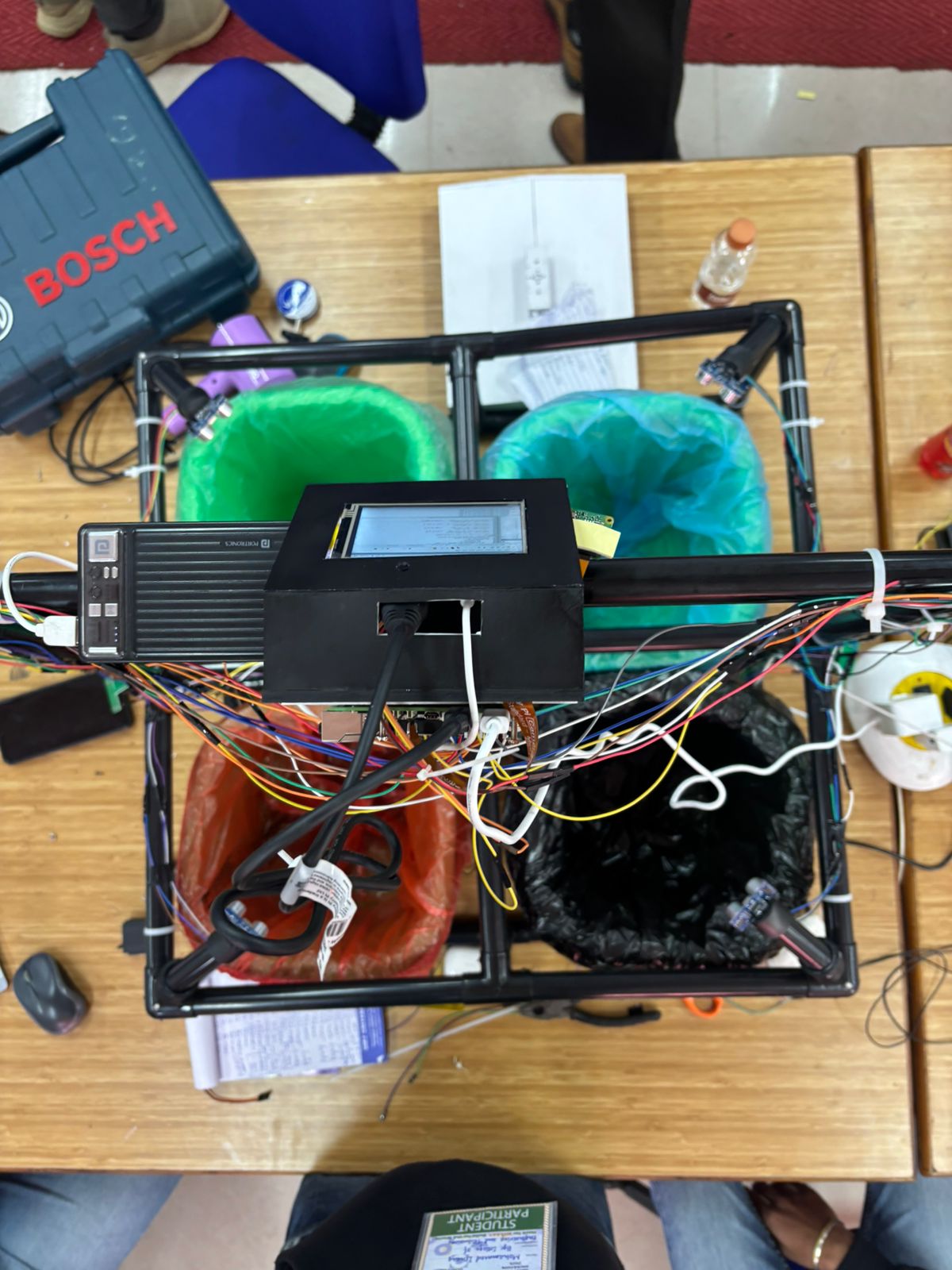
Recylo runs on a Raspberry Pi 5, performing local Edge AI inference on RGB camera frames to classify waste within milliseconds. It requires no cloud API calls for inference, ensuring zero latency and high privacy.
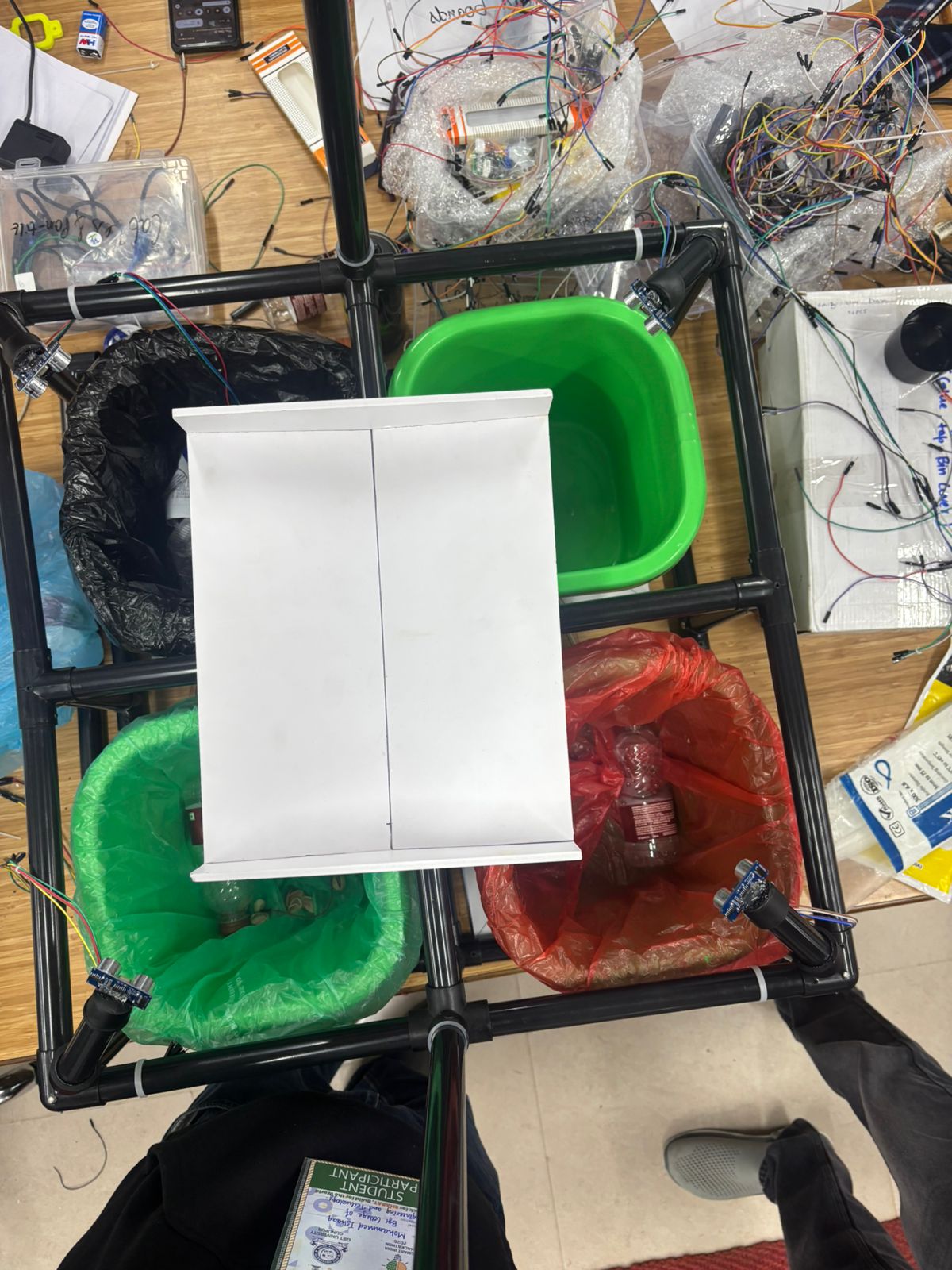
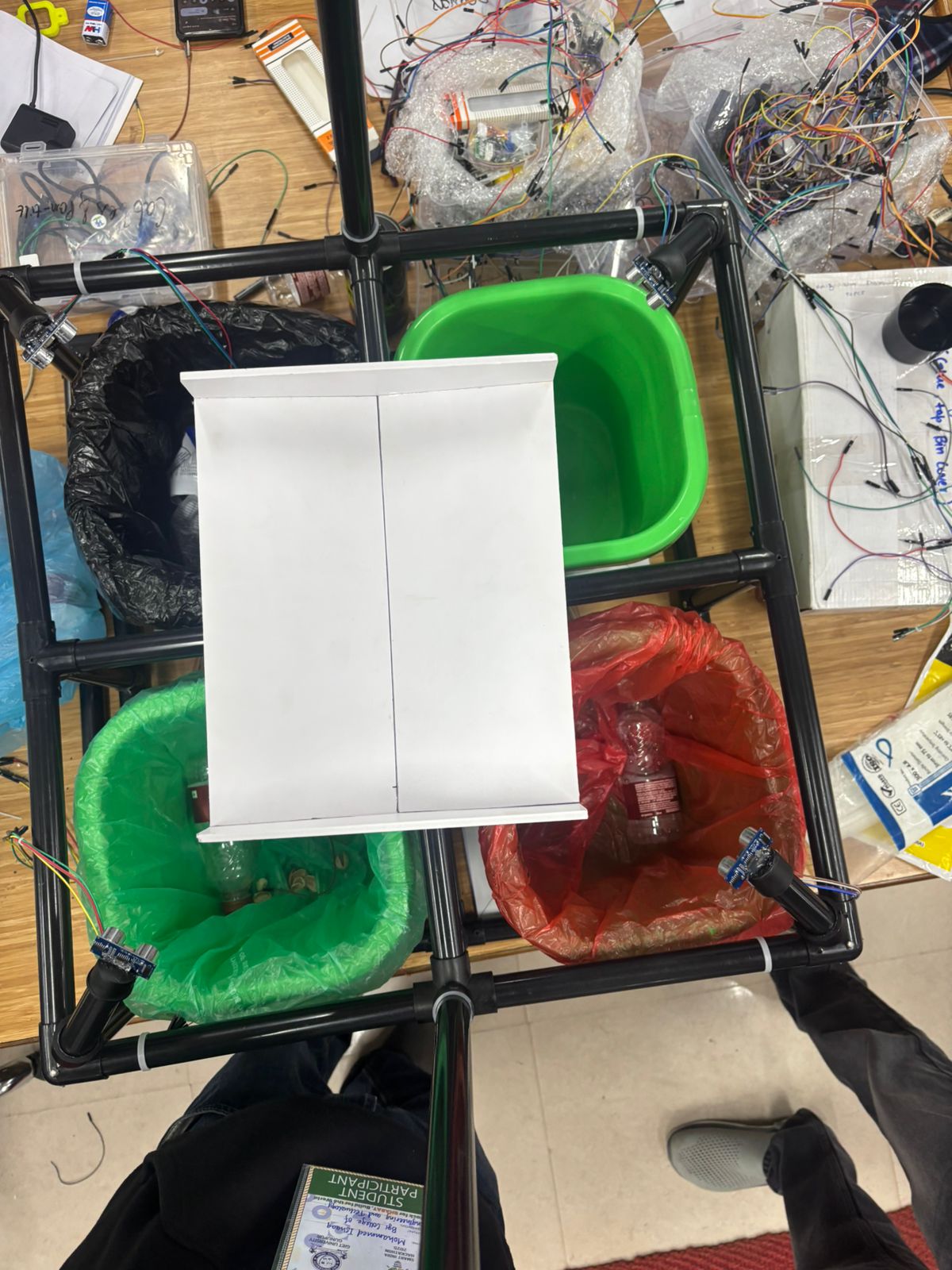
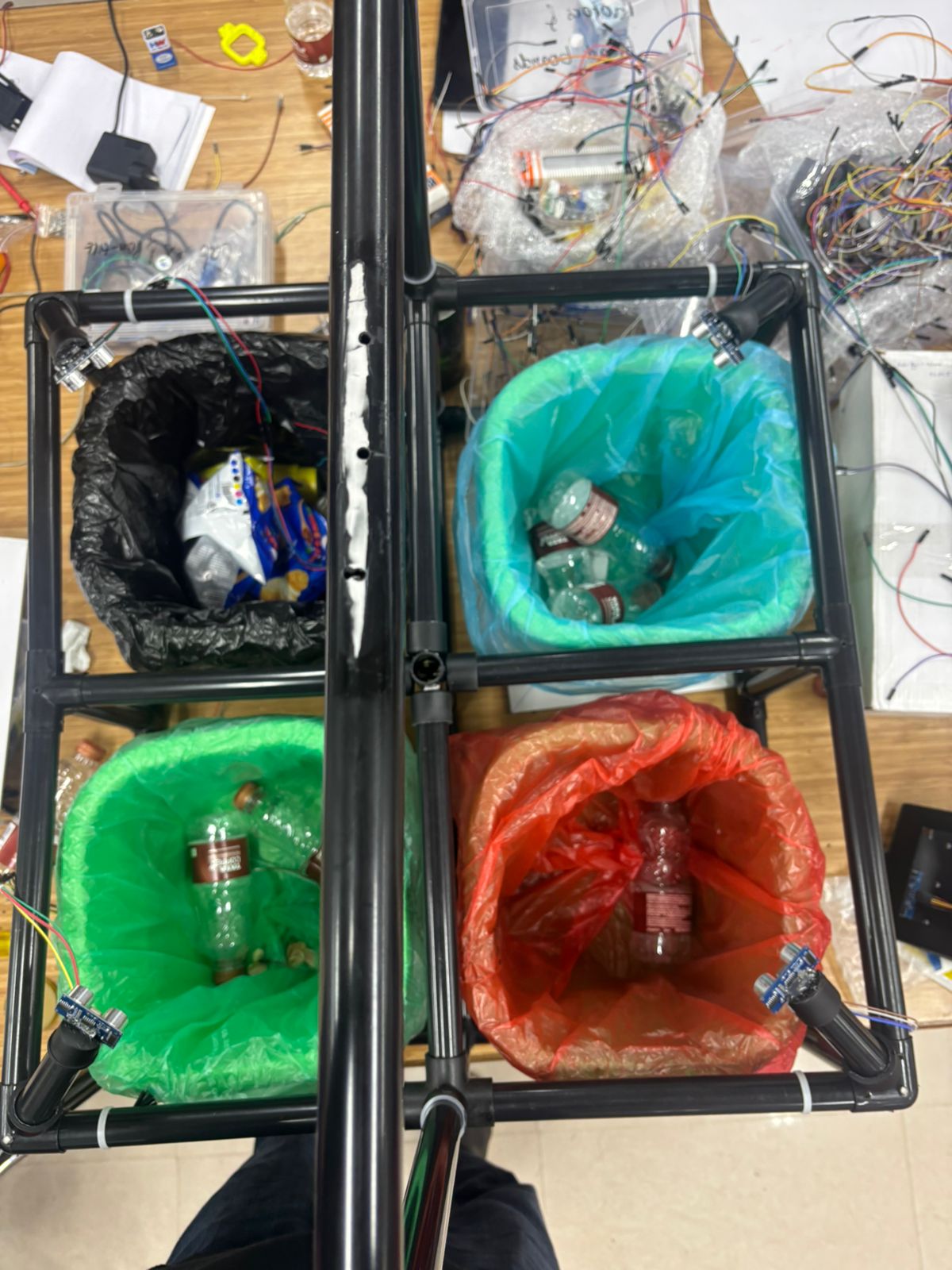
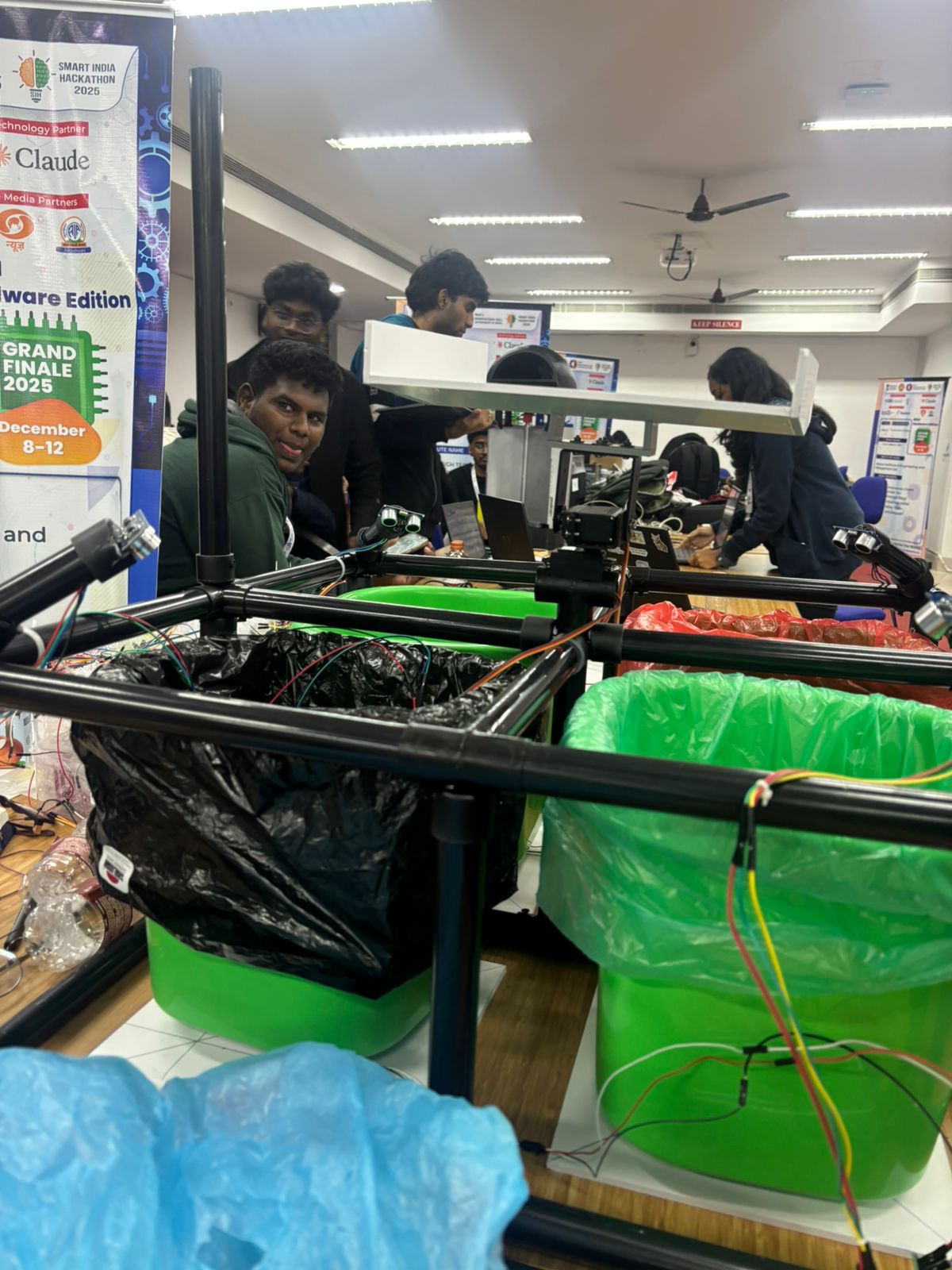
Once classified, dual pan-tilt servo motors physically actuate to route the waste into the appropriate bin. Simultaneously, load cells measure the weight of the bin, piping live telemetry data directly to a Supabase cloud backend to inform municipal routing.
Camera captures RGB frames of the inserted waste item instantly.
ONNX-based CNN model running on Pi 5 classifies into 4 categories.
Servo motors articulate the chute to deposit the item in the correct bin.
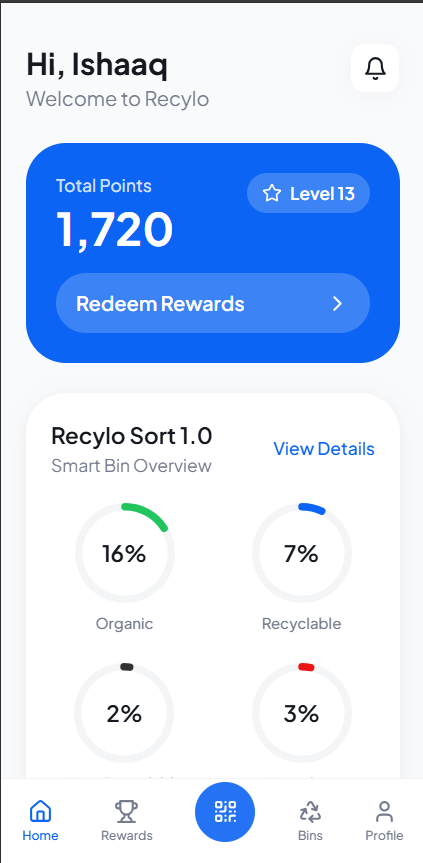
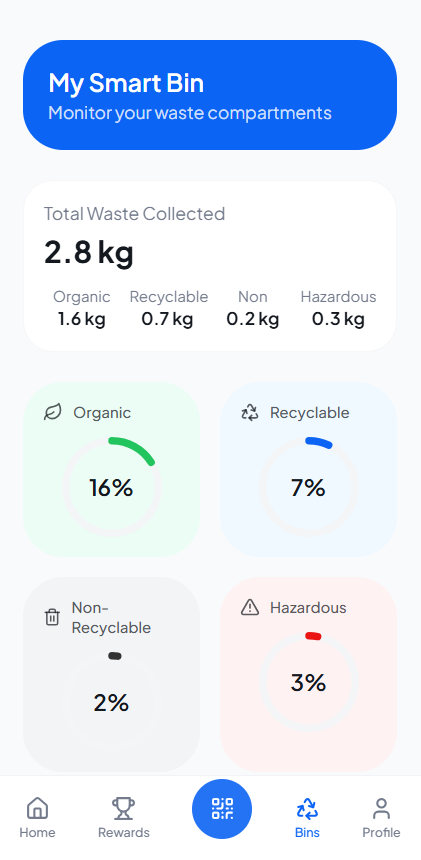
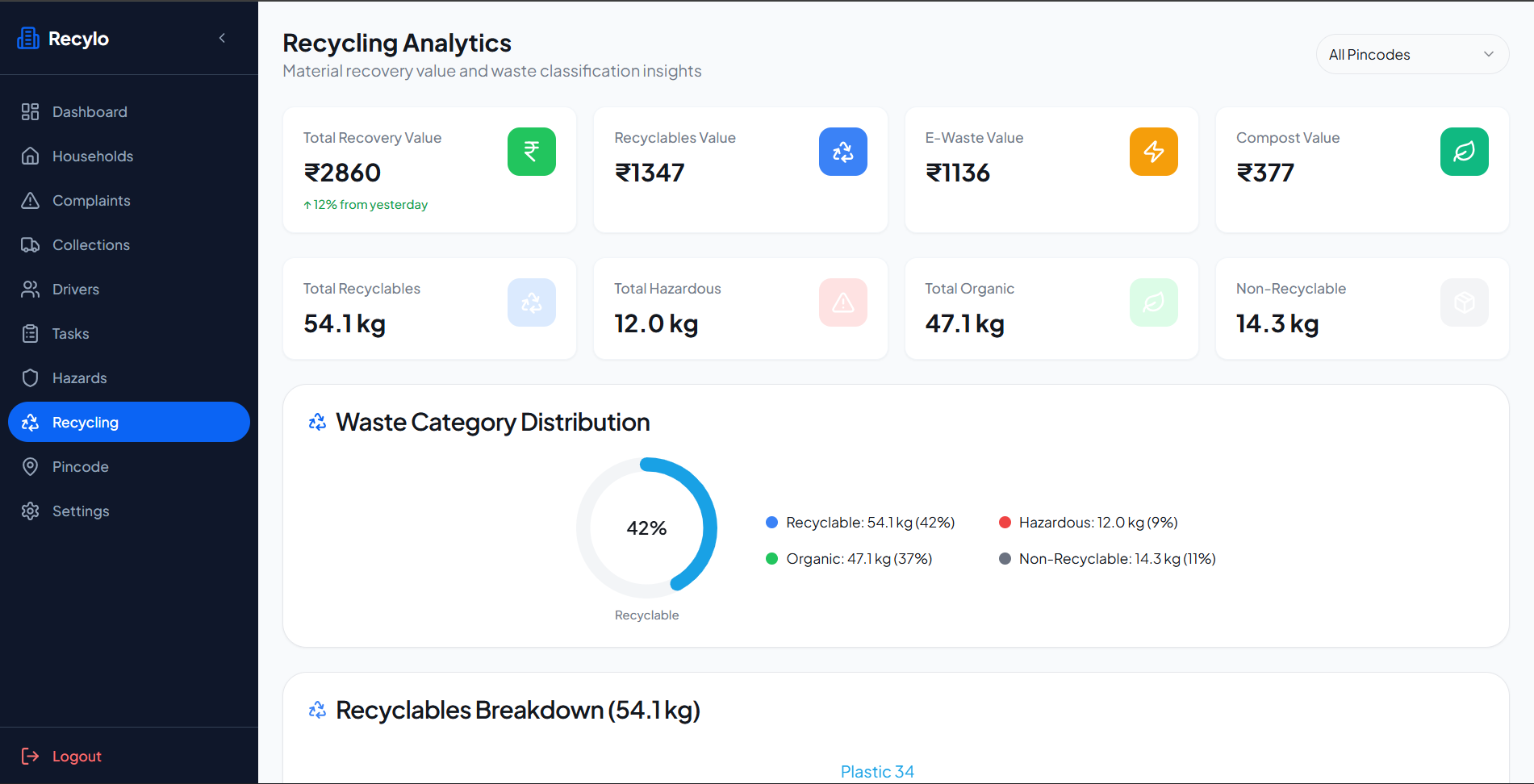
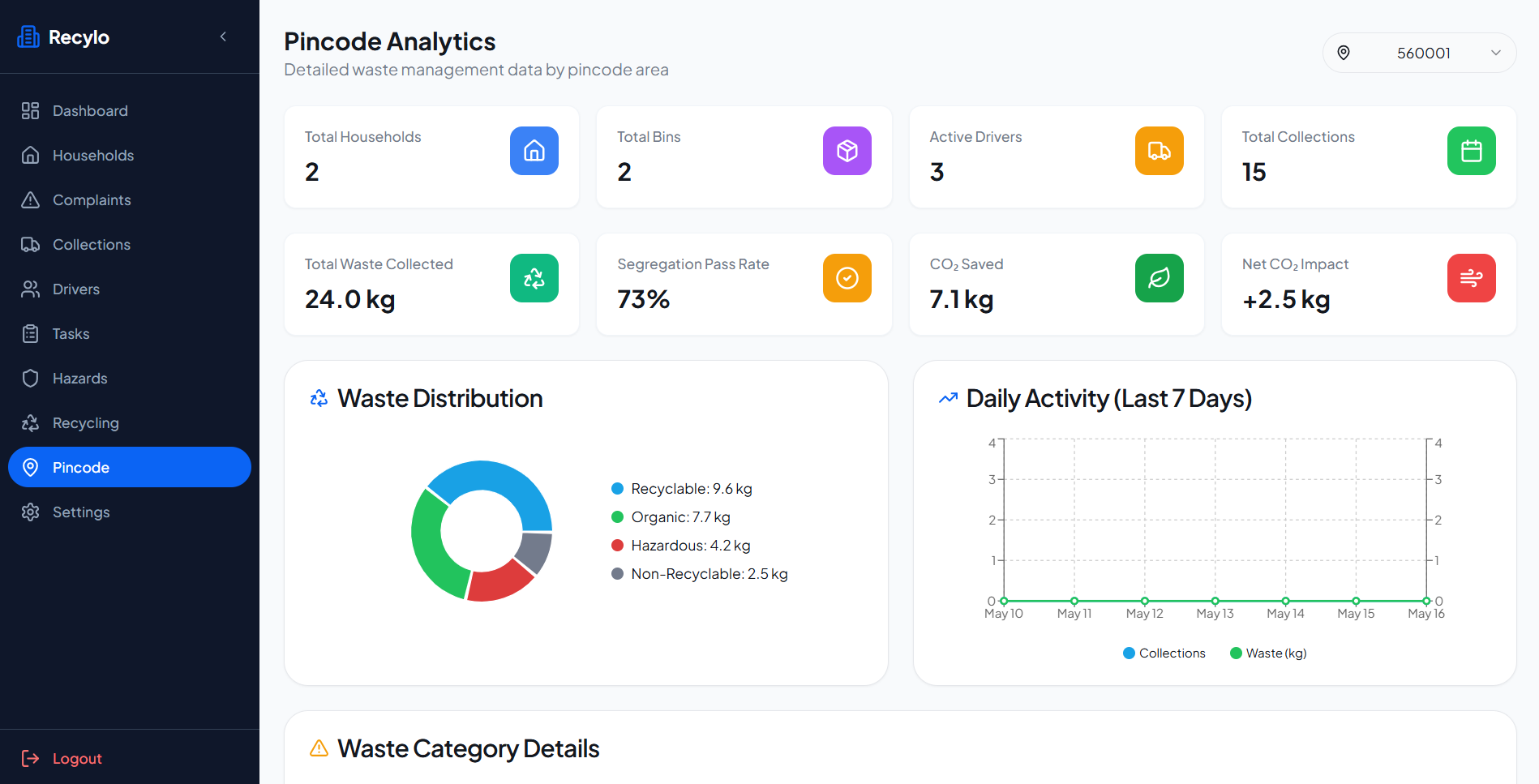
Load cells sync exact fill-levels to the Municipal admin portal.
Watch the system visually identify items and physically route them using the pan-tilt servo mechanism.
Organic food scraps, peels, and biodegradable materials routed directly for composting.
Paper, cardboard, wrappers, and clean plastics set aside for standard recycling lines.
Batteries and e-waste isolated strictly for safe and secure disposal.
A unified architecture spanning from bare-metal hardware to cloud dashboards.
The central compute unit running ONNX inference and handling GPIO logic.
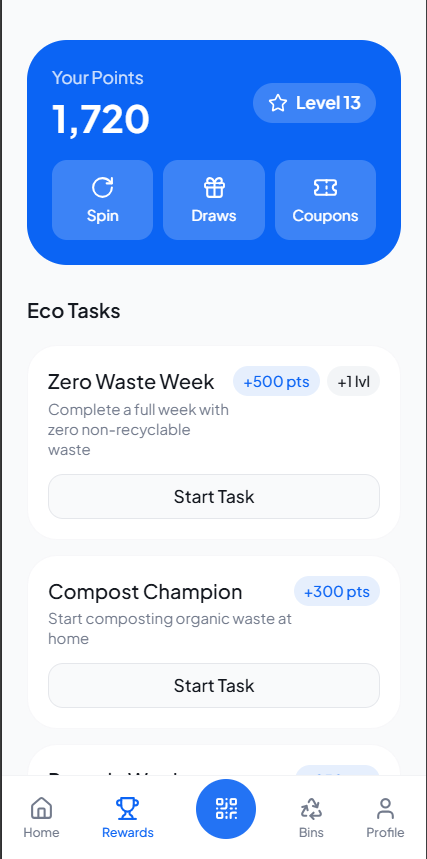
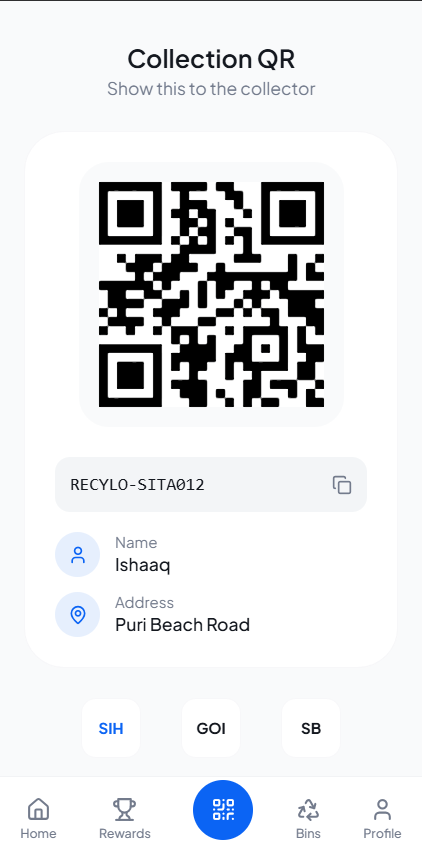
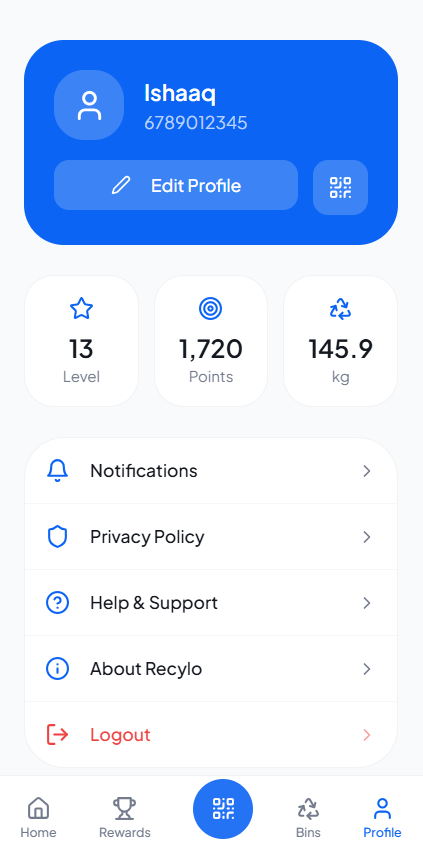
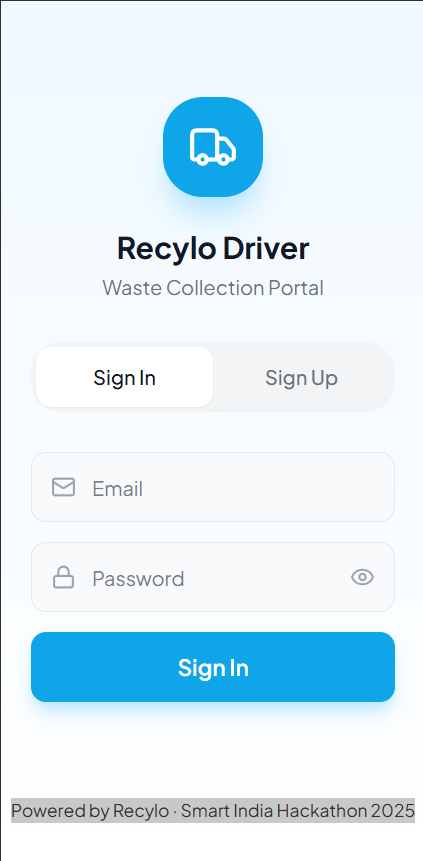
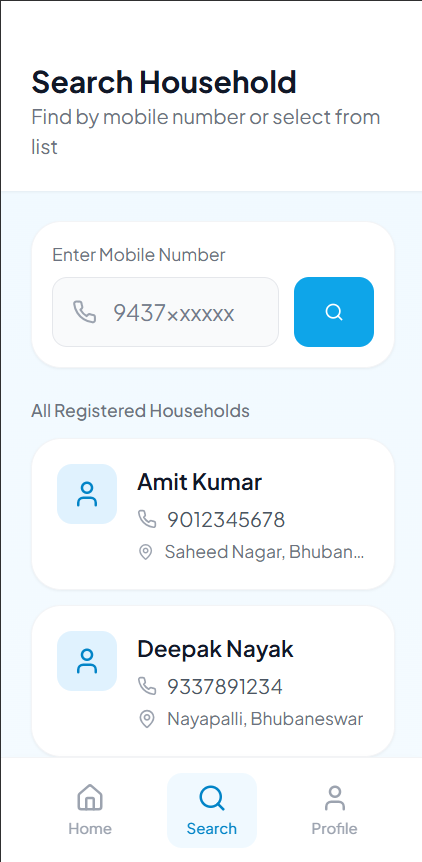
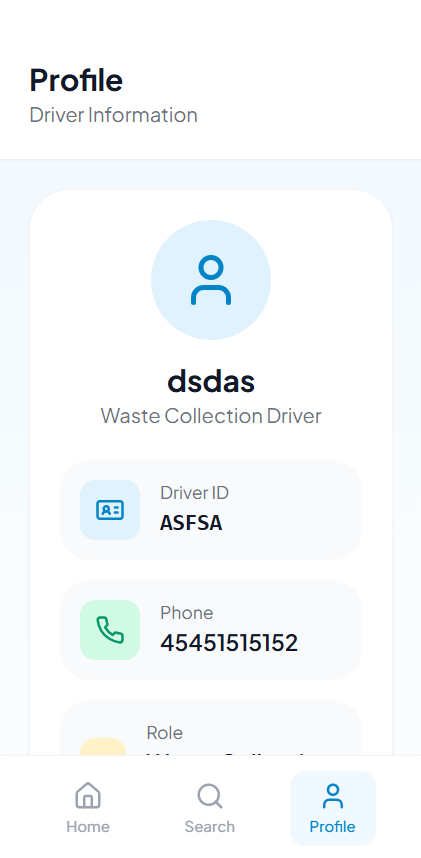
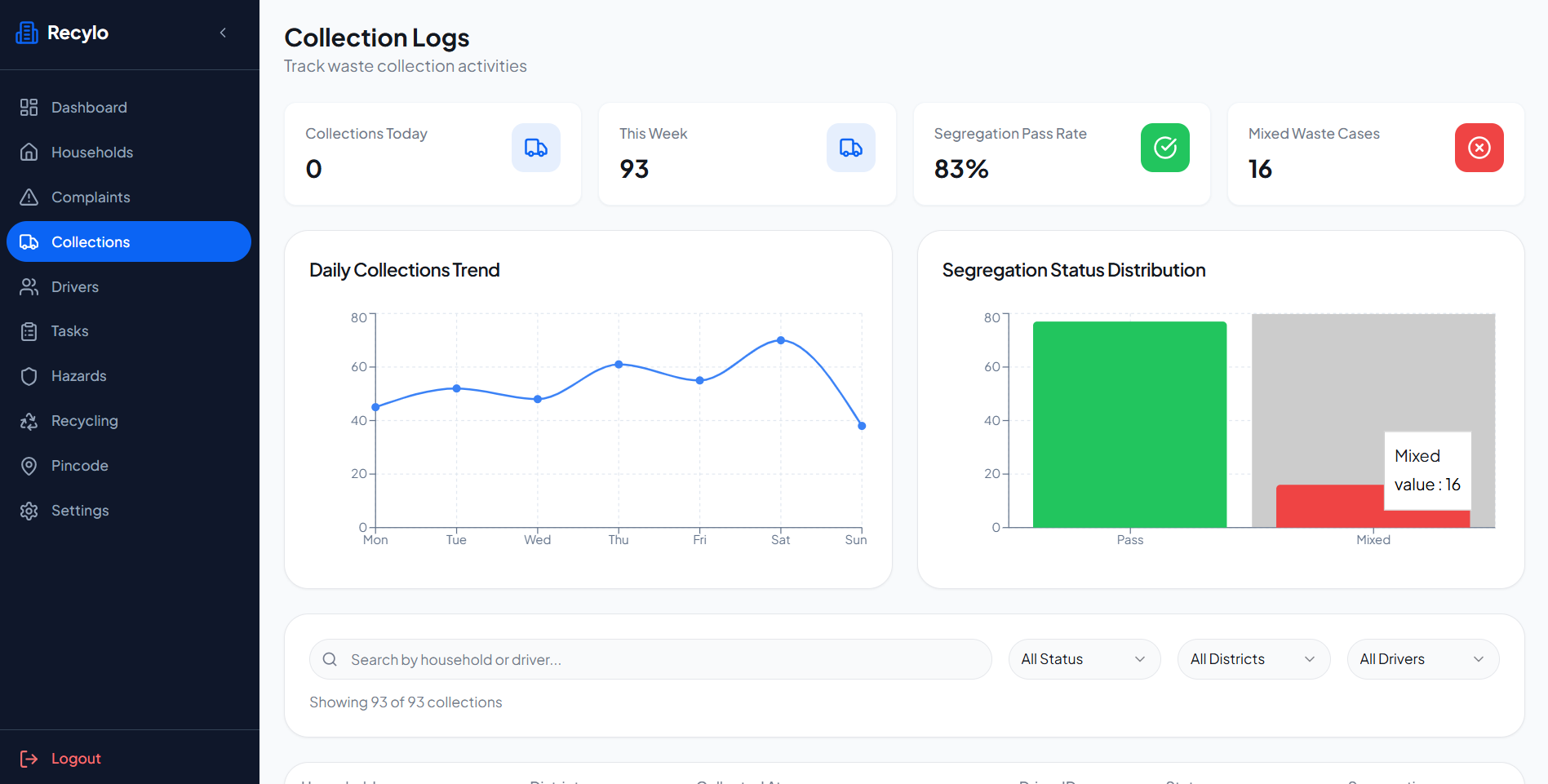
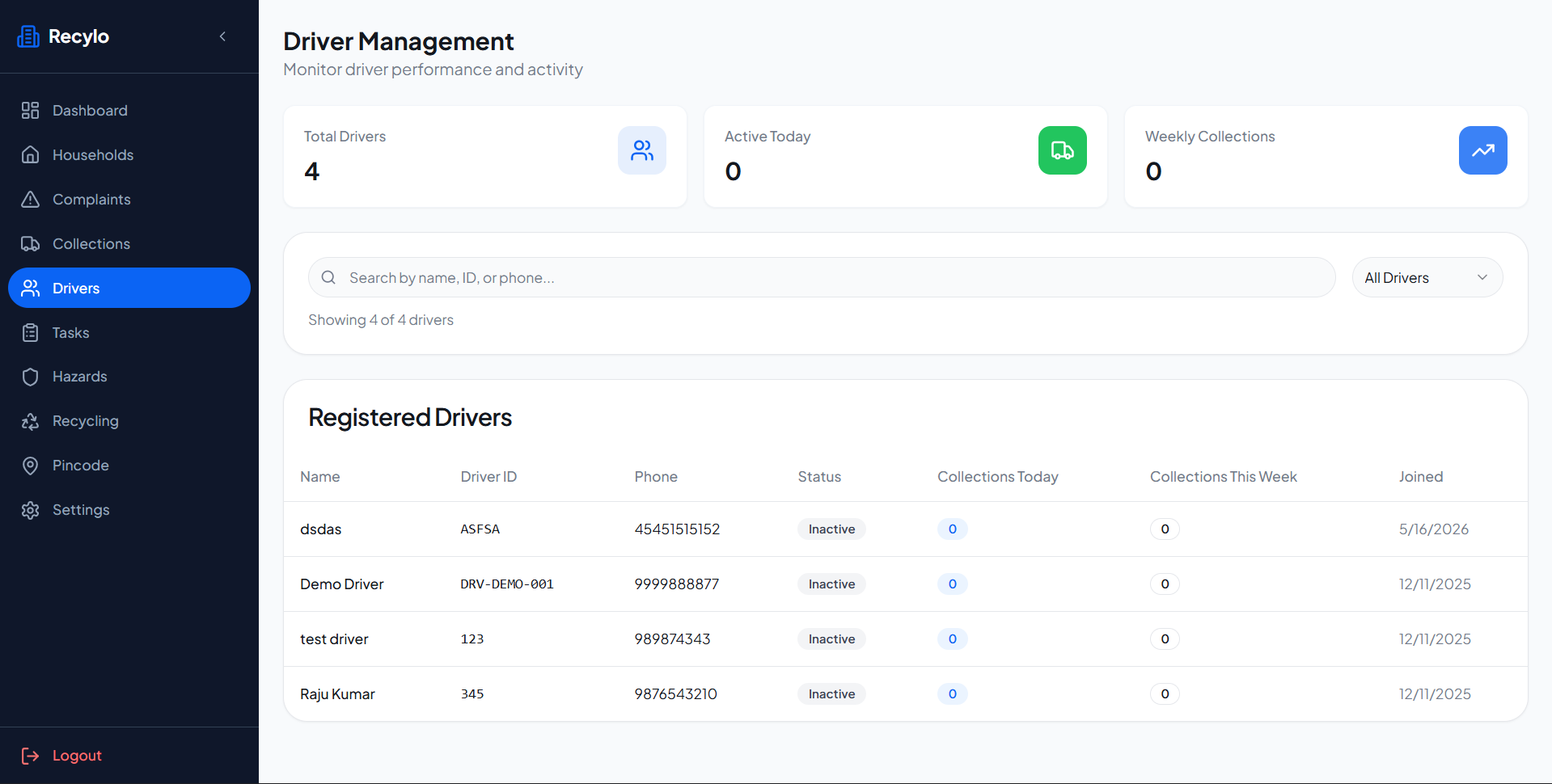
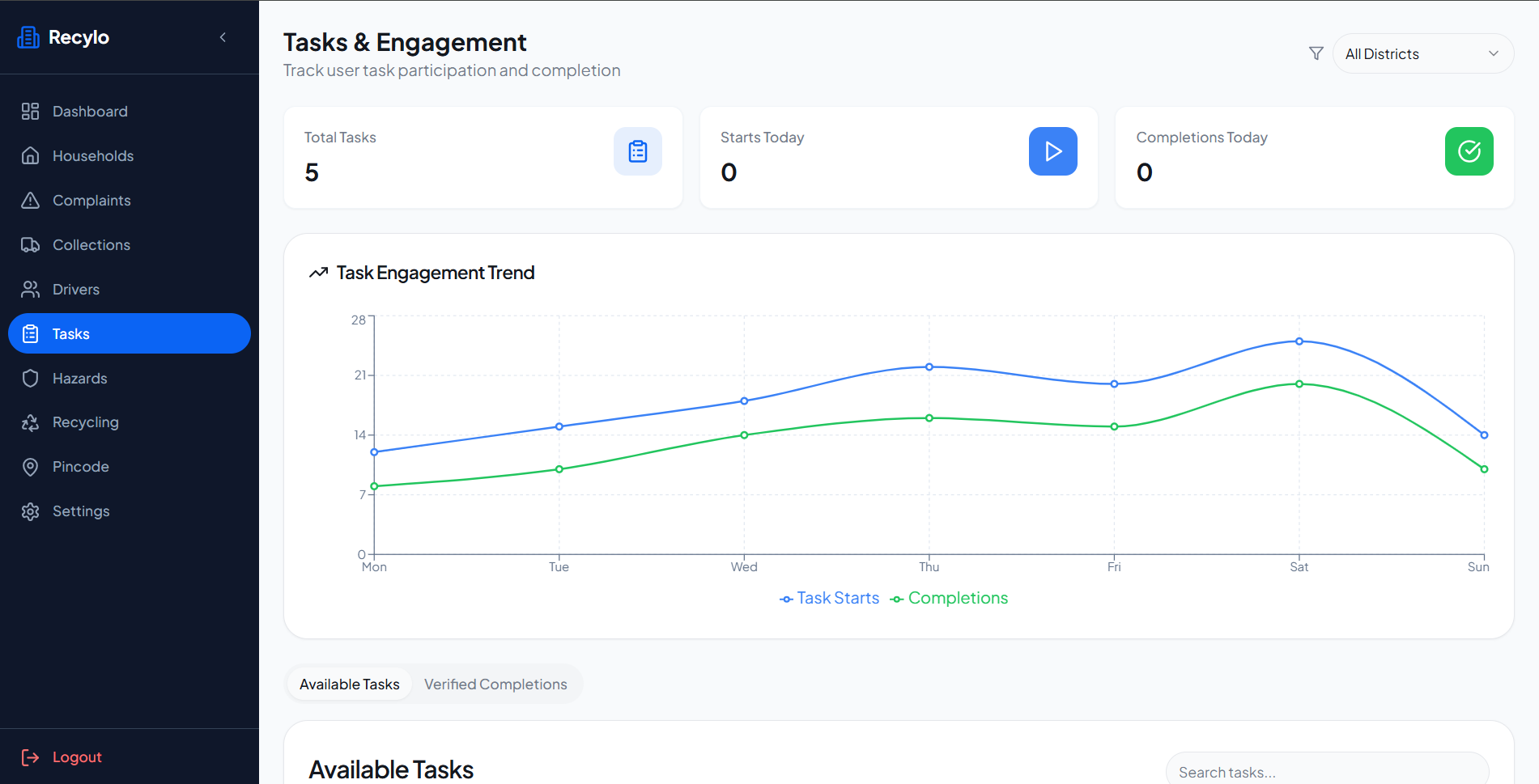
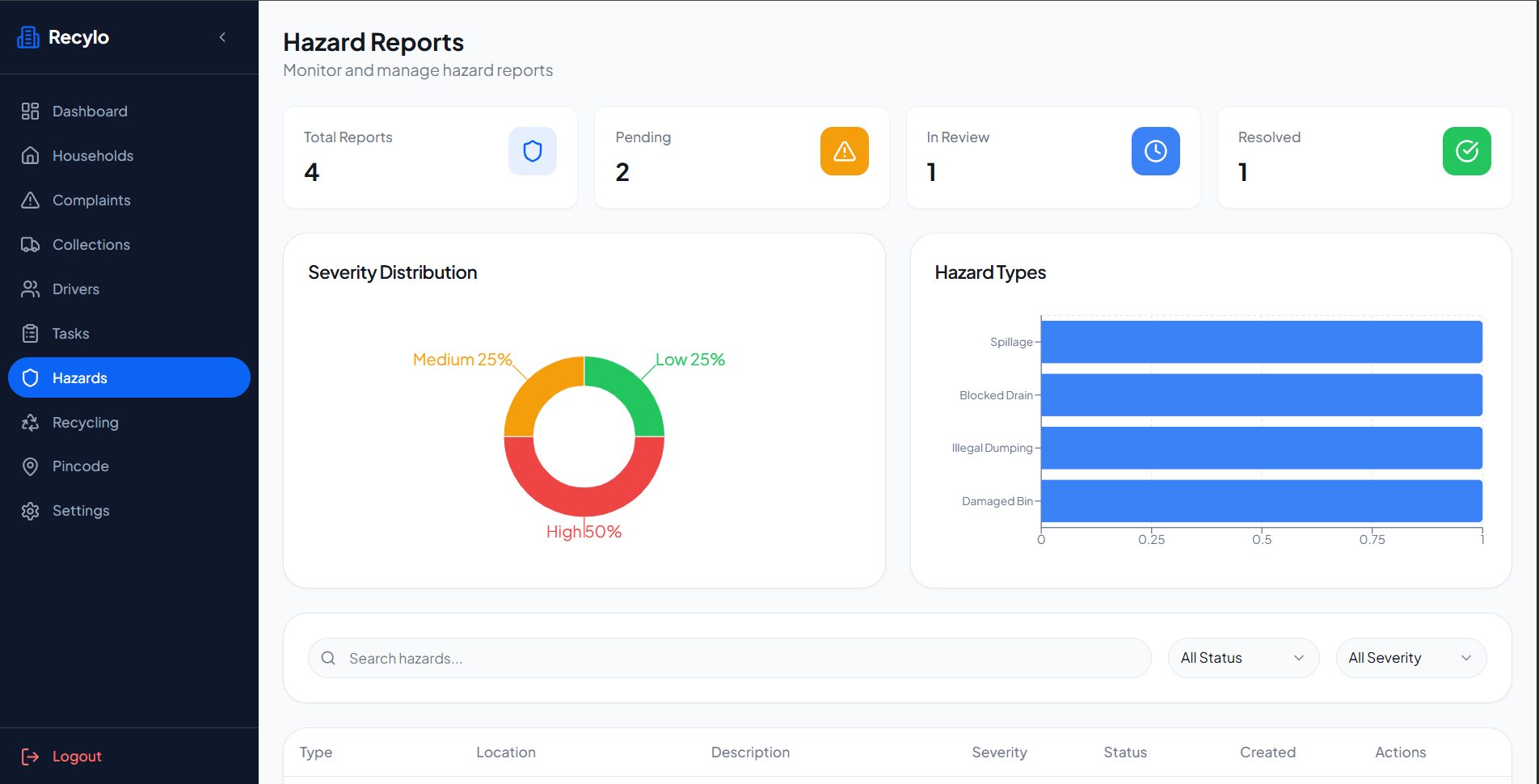
A unified frontend monorepo housing the Citizen, Driver, and Admin portals.
PostgreSQL database handling real-time telemetry, auth, and mapping coordinates.
Optimized machine learning inference running our custom trained waste models.
Dual SG90 / High-torque motors mapping physical routing logic to software.
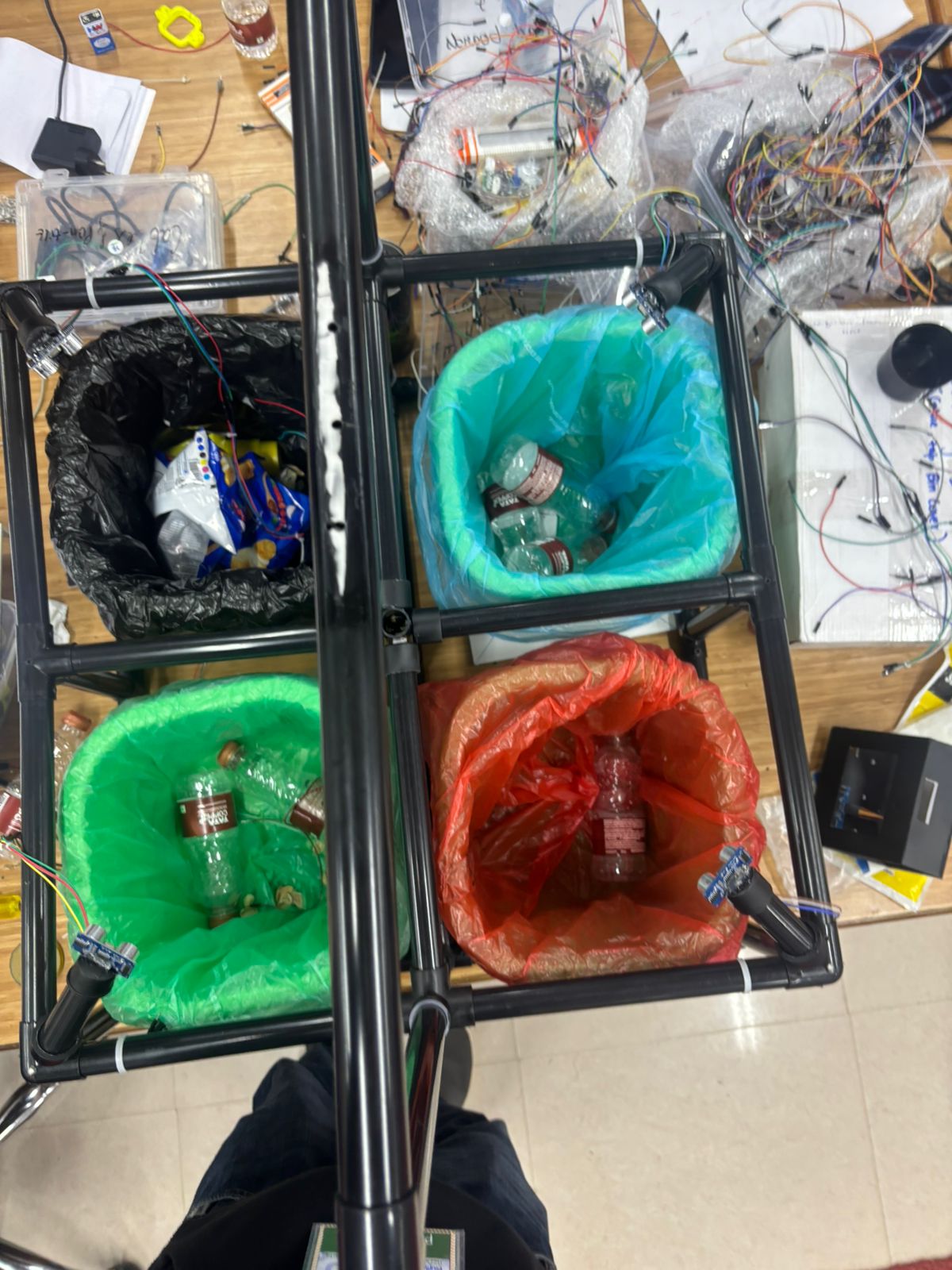
Detecting object presence and fill-levels inside the individual bins.

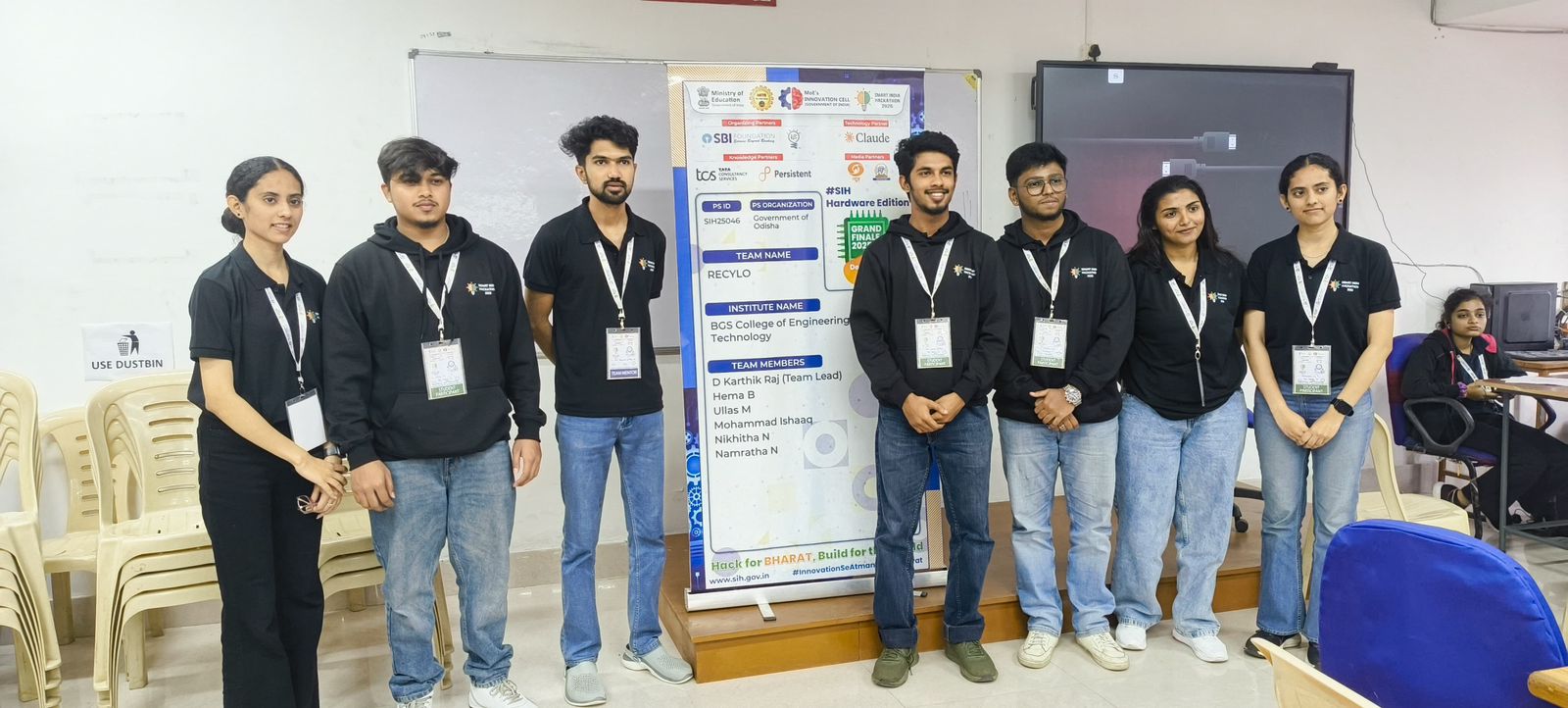
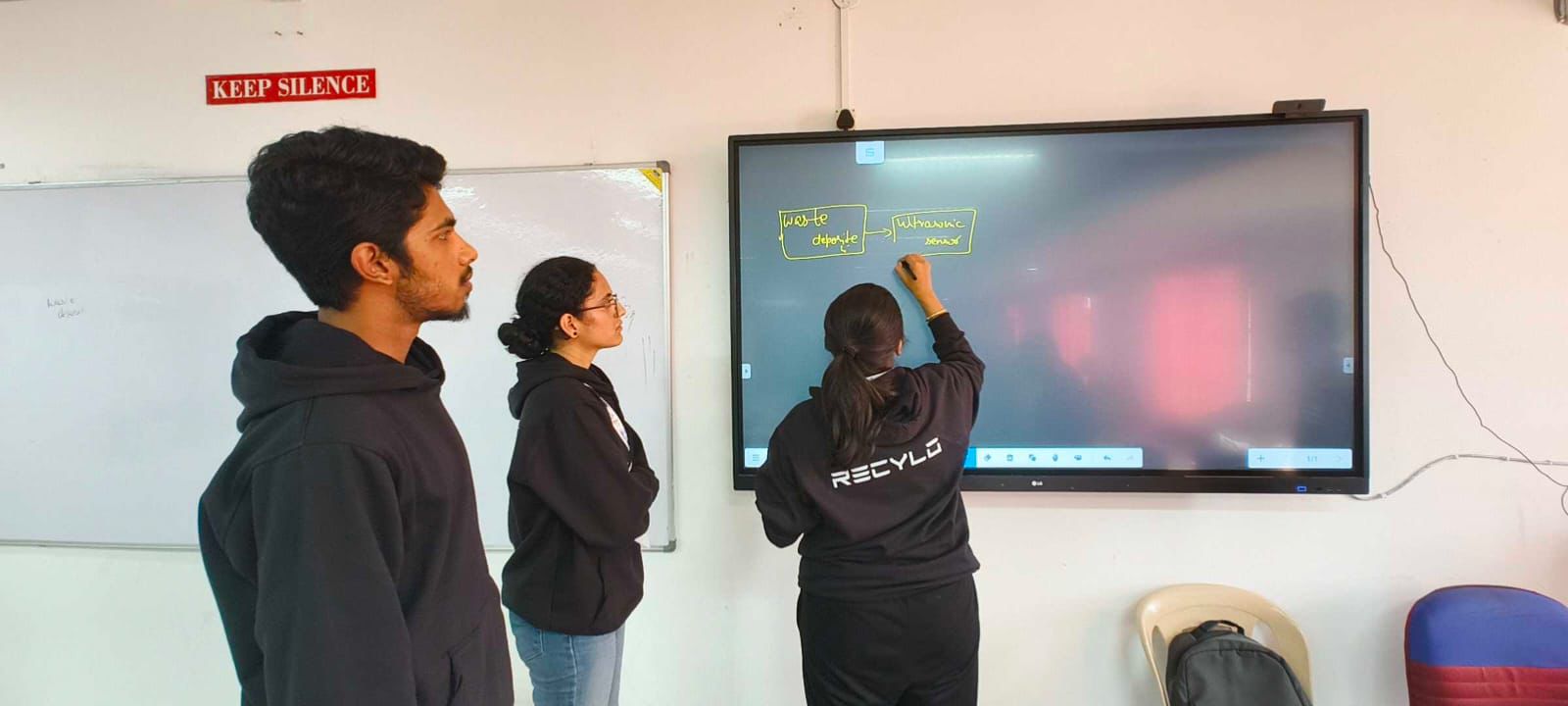
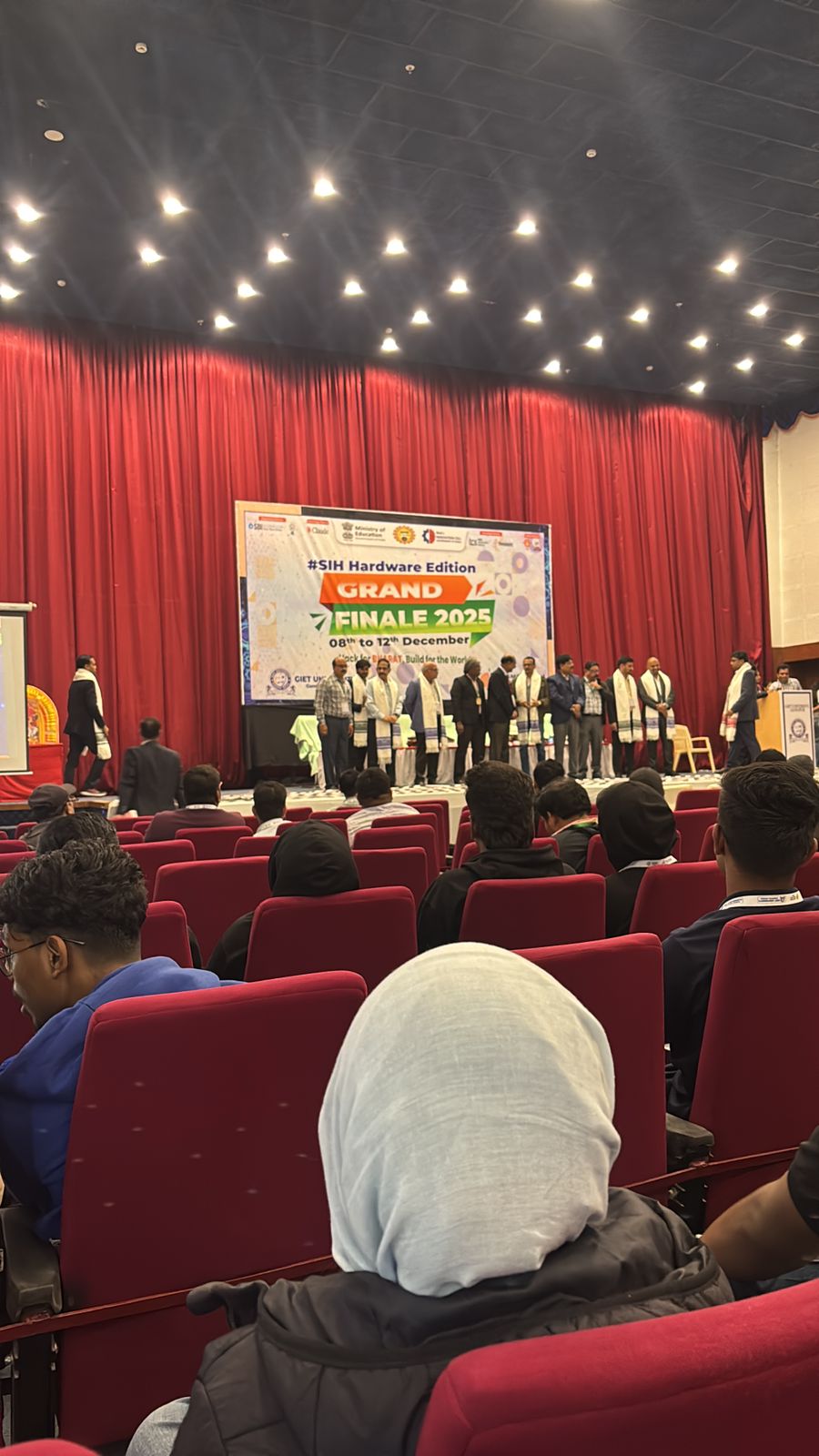
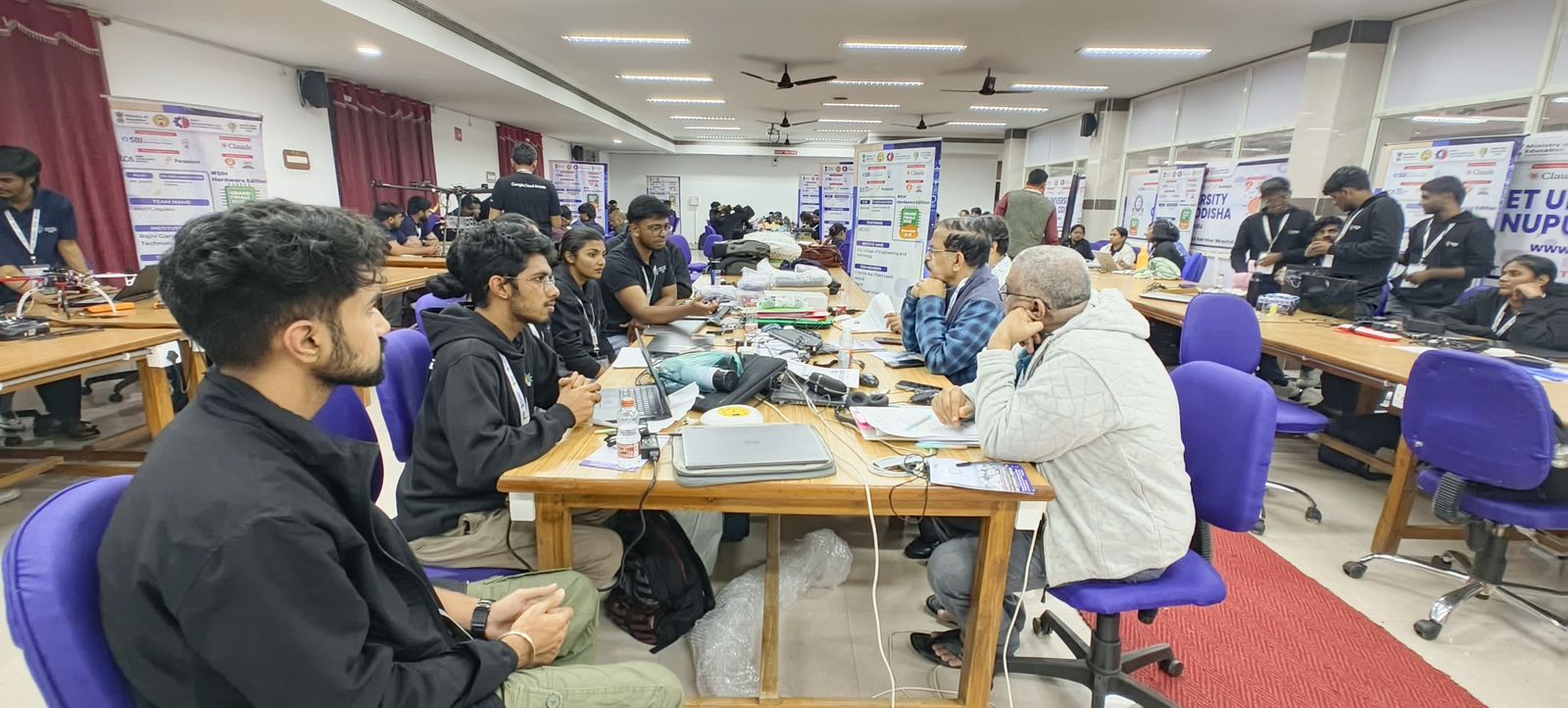
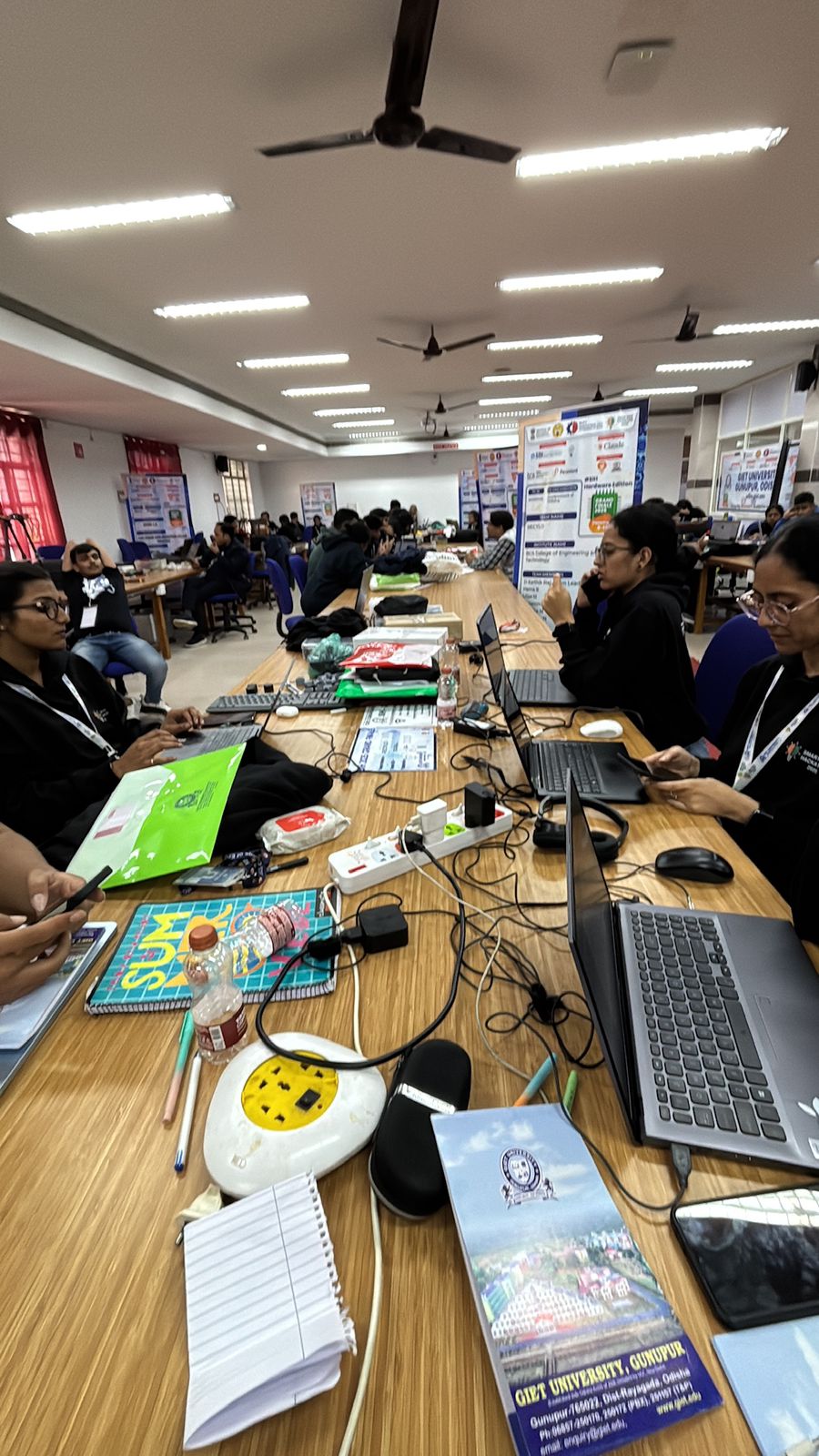
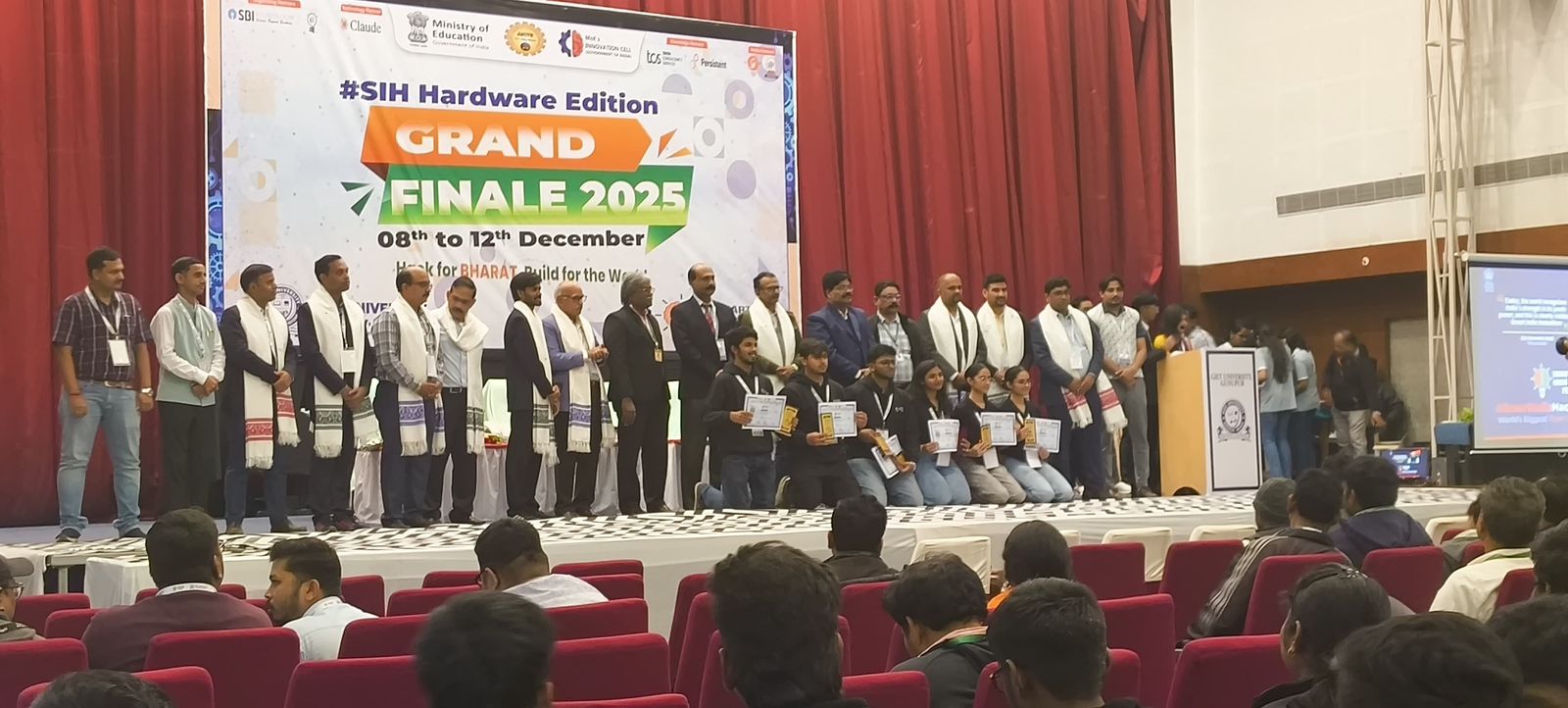
6 Hackers. 120 Hours.